
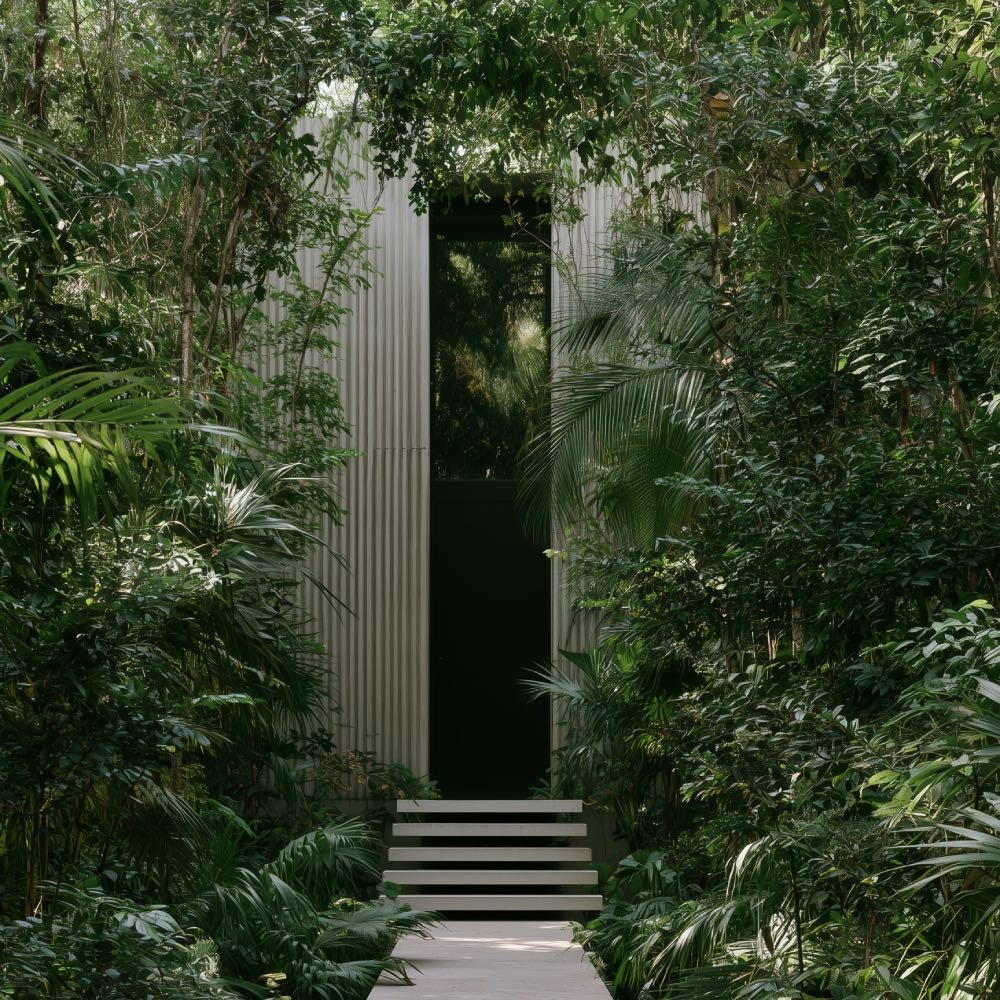
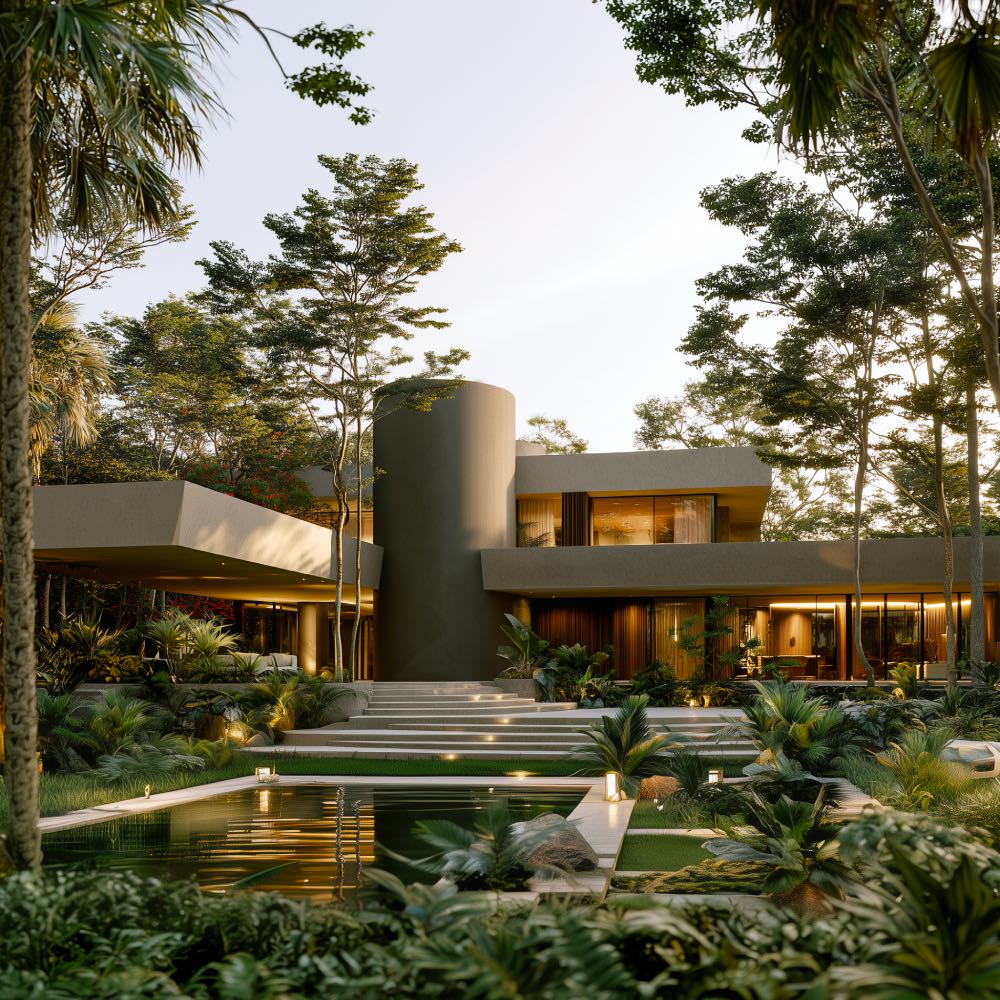


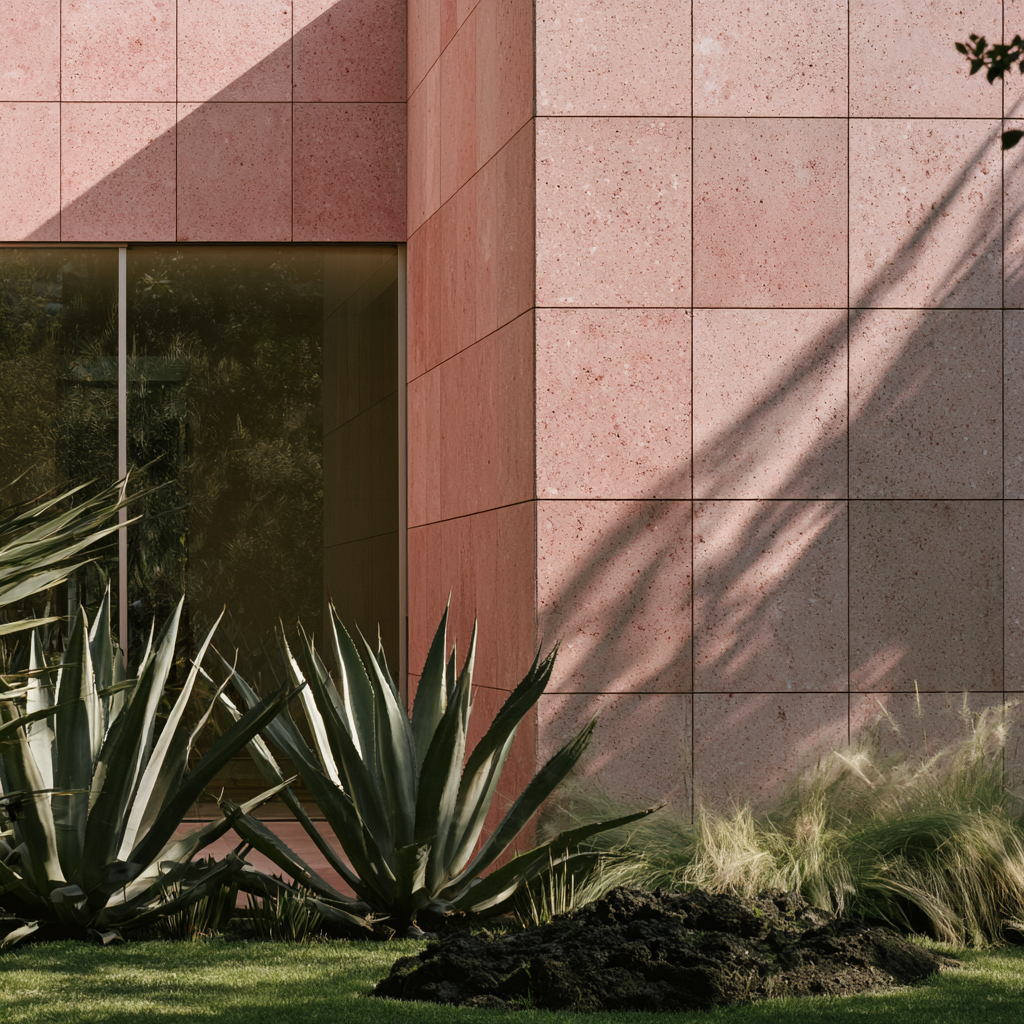

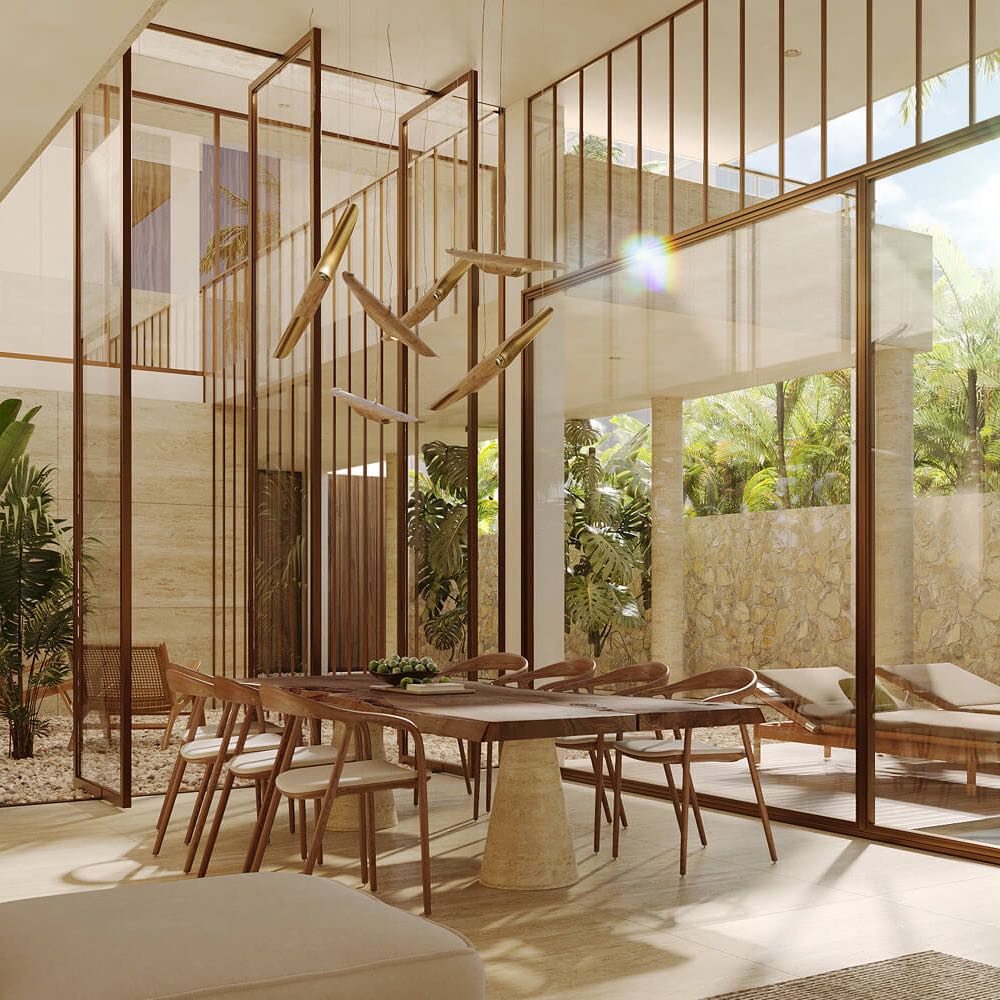
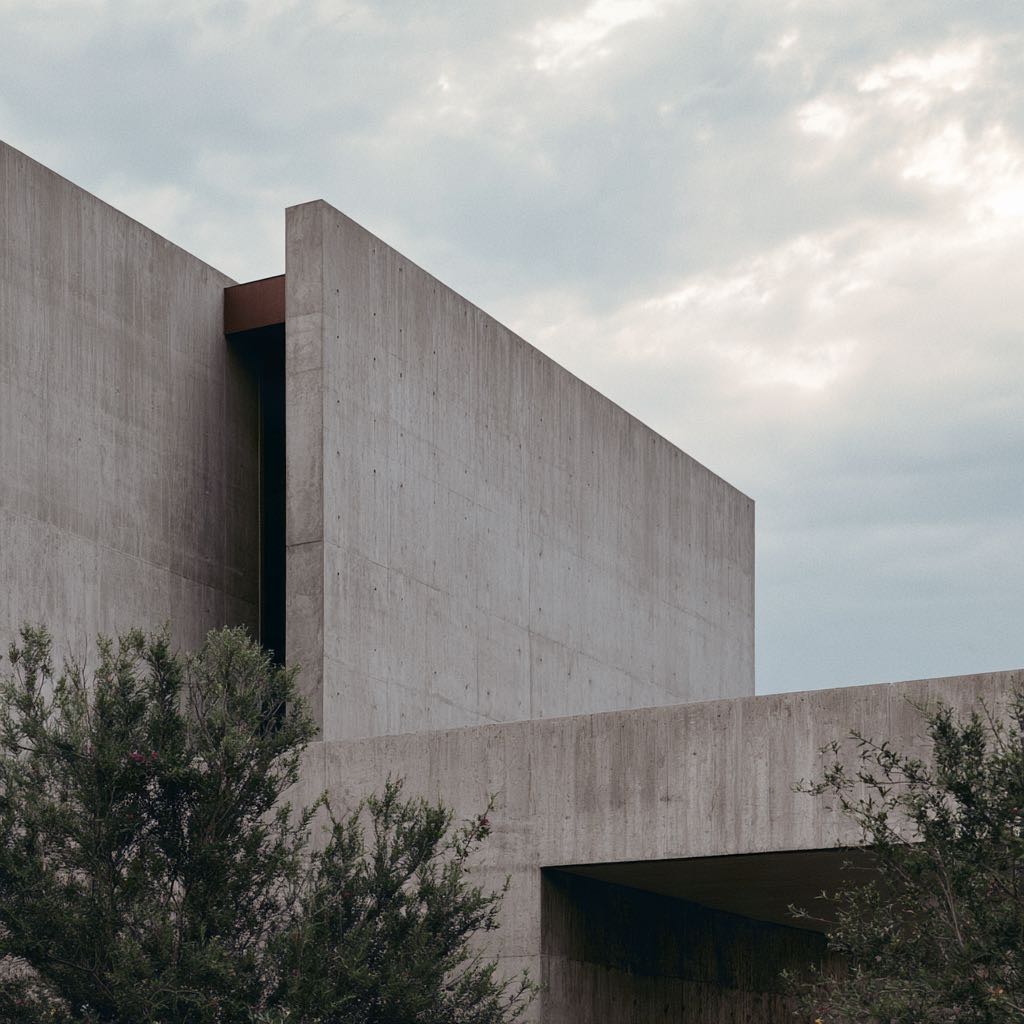
The architectural projects depart from the same approach as the objects: a system of conditions from which space and form emerge.
Every design is structured by a coherence of proportions, sightlines, light incidence, and material behavior. These elements do not constitute isolated decisions, but an underlying framework within which the space develops.
Instead of composing spaces, conditions are created that determine how an interior is experienced—how the light moves, how volumes relate to one another, how openness and boundaries alternate.
In this, the focus shifts from style to structure. Not what a space is, but how it functions as a coherent system.
Materials are deployed with restraint and precision. Not to decorate, but to articulate the spatial logic and to make the relationship between light, mass, and surface visible.
The projects move between architecture and interior design, but essentially function as spatial constructions: environments in which tranquility is not added, but arises from clarity and coherence.