
Stilst
Stilst approaches design not as the creation of singular objects or spaces, but as a continuous investigation into how form emerges from conditions rather than intention.
Every project, on the scale of both space and object, starts from a system: a framework of rules, relationships, and material behavior. The work develops within this framework. Form is not imposed, but arises as a result of an underlying logic.
This process often introduces a tension between what something appears to be and how it is actually constructed. Wat vanzelfsprekend oogt, blijkt conditioneel; wat eenvoudig lijkt, is gestructureerd; wat stabiel aanvoelt, berust op precieze relaties tussen elementen.
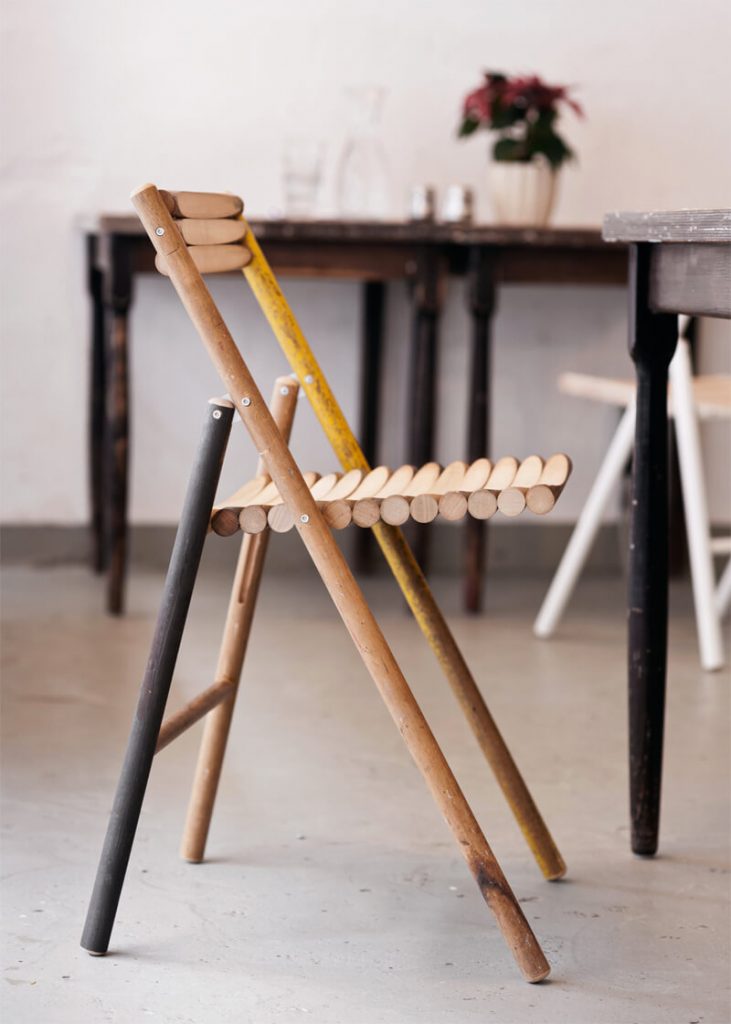
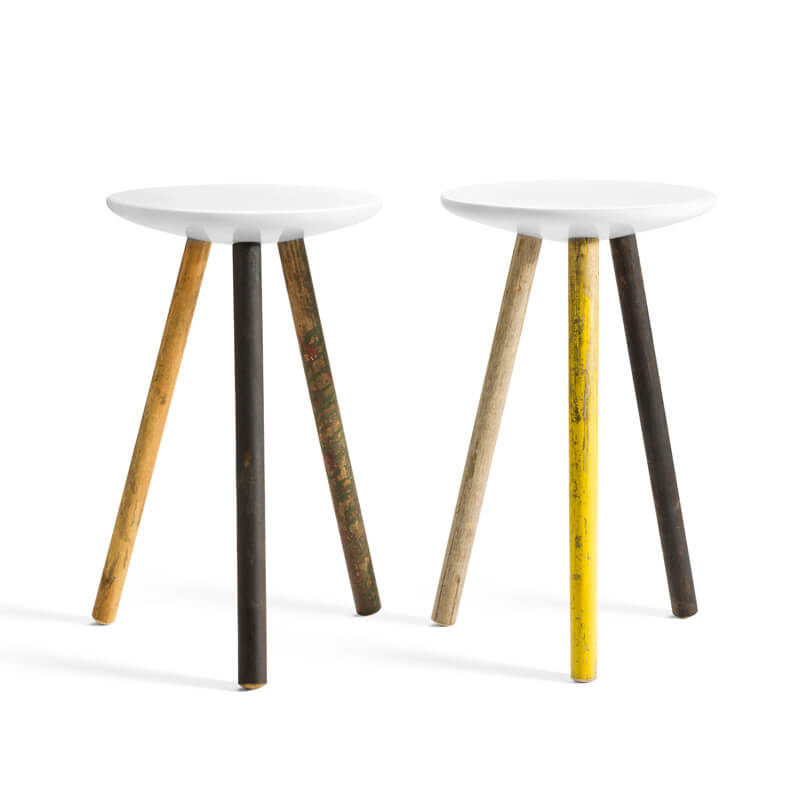
Material is not used as a finish, but as an active component. It records process, time, and usage, and thereby becomes part of the meaning of the work.
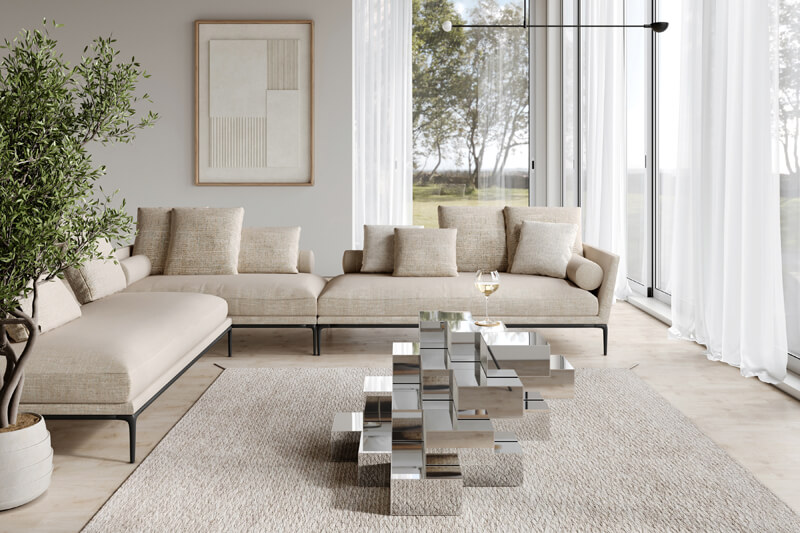
Across scales, the work operates as a set of spatial articulations—interventions that sharpen the legibility of a space without dominating it.
Rather than a collection of separate outcomes, Stilst’s work can be understood as a series of manifestations of a single, consistent approach.