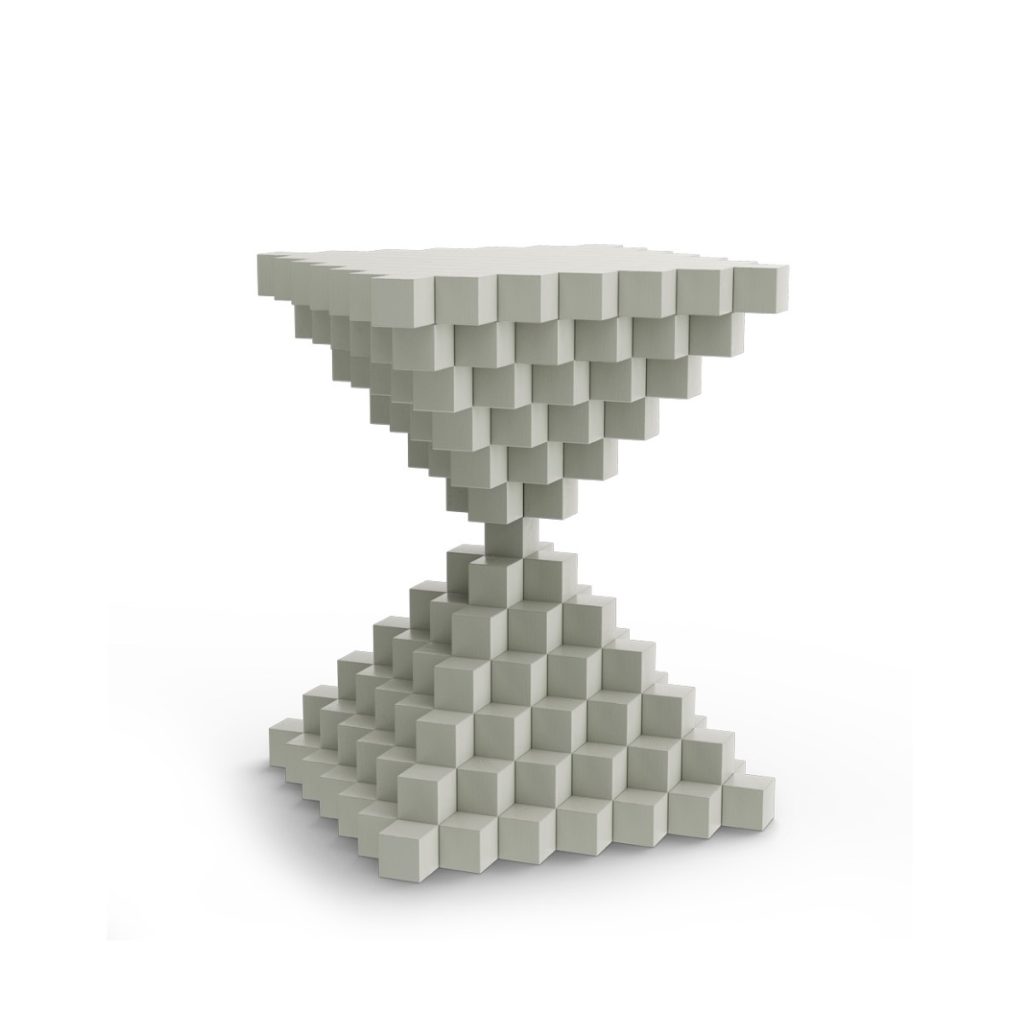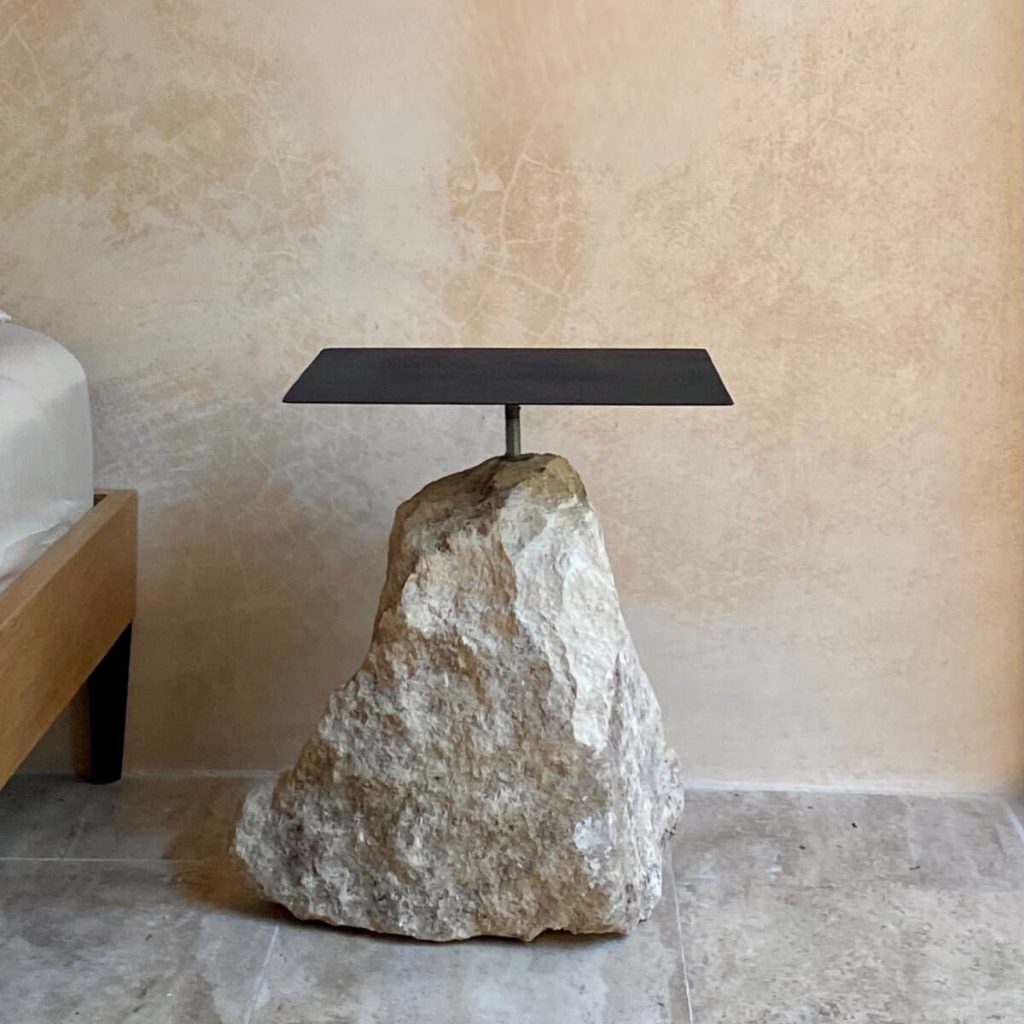
At Stilst, objects do not constitute a collection of isolated designs, but an ongoing investigation into how form can emerge from conditions rather than intention.
Every object starts from a system, a set of rules, relationships, or material behaviors—within which the design develops. The final form is not an end in itself, but the result of this underlying logic.
Within those systems, a tension often arises between what an object appears to be and how it is actually constructed. Massiveness turns out to be composite, simplicity turns out to be conditioned, and stability proves to be dependent on relationships between parts.
Material is not used as a finish, but as an active component. It records process, time and use, thus contributing to the meaning of the object.
Although the objects function within an interior, they simultaneously operate as spatial fragments: elements that sharpen the readability of a space without dominating it.
Together, they do not form a collection in the traditional sense, but a series of manifestations of one underlying approach.